The Allure of the Russian Blue Cat: A Glimpse into its Distinguished World
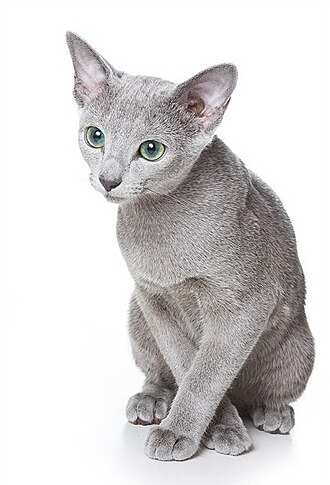
The Russian Blue Cat stands out in the feline world as a breed of unparalleled elegance and mystique. With its shimmering silver-blue coat and captivating emerald eyes, this pedigreed cat has charmed enthusiasts for over a century. Known not only for its distinctive beauty but also for a gentle yet playful disposition, the Russian Blue offers a unique blend of grace and companionship. If you're curious about the origins, characteristics, and care of this remarkable feline, you've come to the right place. Dive into the world of the Russian Blue Cat and discover what makes it such a cherished companion across the globe.
Universally recognized and holding championship status with all major international cat registries, the Russian Blue is celebrated for its consistent and striking features. From its plush, dense double coat to its vibrant eye color, every aspect of this breed speaks to a rich history and meticulous development. Beyond its appearance, understanding the Russian Blue's temperament and care needs is key to appreciating why it has maintained its prominent place in the hearts of cat lovers.
From Arctic Shores to Global Stardom: The Russian Blue's Storied Origins
The history of the Russian Blue Cat is as captivating as its gaze, tracing back to the frosty port city of Arkhangelsk, Russia. It is from these northern climes that the breed's alternative name, Archangel Blue, derives. Believed to have originated as a naturally occurring landrace, these resilient felines were adept at surviving the harsh Russian winters, thanks in part to their distinctive thick coats.
Legend has it that in the 1860s, sailors, captivated by their beauty and serene demeanor, brought these "Archangel Cats" from the Archangel Isles to Great Britain and various parts of Northern Europe. The first documented reference to an Archangel Cat in British print appeared in 1862, sparking interest in this exotic new breed. Their official debut in the show world took place at The Crystal Palace in England in 1872, where they were showcased as the Archangel Cat.
However, the early show history of the Russian Blue was not without its complexities. For many years, these unique blue cats competed in a single class alongside other blue-coated felines, including British Shorthairs and even some grey tabbies, leading to some initial confusion regarding their distinct identity. It wasn't until 1912 that the Russian Blue was finally granted its own dedicated class, a significant step in recognizing its unique attributes and solidifying its breed status.
The breed's development predominantly took place in the UK and Scandinavia throughout the early 20th century. The advent of World War II, however, brought significant challenges, leading to a drastic reduction in Russian Blue numbers. To preserve the breed, post-war breeders in Europe resorted to limited crossbreeding with other breeds, most notably the Siamese, to bolster the population. While Russian Blues had made their way to the United States before the war, it was in the post-war era that American breeders played a pivotal role in shaping the modern Russian Blue we recognize today. By carefully combining the bloodlines of both Scandinavian and British Russian Blues, they managed to refine the breed, largely breeding out the noticeable Siamese traits while enhancing the defining characteristics of the Russian Blue Cat.
Defining Characteristics: More Than Just a Blue Coat
While the name "Russian Blue" immediately conjures images of its distinctive coat, the breed is a symphony of elegant features and a truly endearing personality. These characteristics combine to create a cat that is both visually stunning and a joy to live with.
The Iconic Blue-Silver Fur
The most striking feature of the Russian Blue is undoubtedly its coat. It is a short-haired breed, but don't let that fool you into thinking it's lacking in luxury. The Russian Blue Cat's defining feature is its dense, plush double coat, which is remarkably soft to the touch. This unique coat is comprised of a pale blue-grey fur with a distinct silver sheen. The silver tipping on each guard hair is responsible for this exquisite shimmer, giving the coat an almost sparkling appearance that changes with the light. This dense layering also means the coat stands away from the body, giving the cat a somewhat "powdery" or "velvety" feel when stroked. It's an evolutionary marvel, a legacy of its cold Russian origins, providing insulation and protection.
Mesmerizing Emerald Eyes
Complementing its magnificent coat are the Russian Blue's eyes. They are bright and expressive, ranging from an intense emerald green to a vibrant yellow-green. Interestingly, Russian Blue kittens are typically born with yellow eyes, which gradually deepen to a green hue as they mature. This transition is a fascinating aspect of the breed's development, culminating in the stunning emerald shade that adult Russian Blues are so famous for. The vivid green stands out in striking contrast to their blue-grey fur, adding to their captivating allure.
A Gentle and Affectionate Temperament
Beyond its physical beauty, the Russian Blue Cat is celebrated for its delightful temperament. They are often described as gentle, quiet, and affectionate companions. Known for their loyalty, Russian Blues tend to form strong bonds with their human family members, often choosing one or two favorite people with whom they are particularly devoted. While they can be somewhat reserved or shy around strangers, once they feel comfortable, they are playful, intelligent, and engaging pets. They enjoy interactive play, puzzle toys, and quiet cuddles on the sofa. Despite their reserved nature, they are not typically aloof; instead, they often greet their owners at the door and follow them from room to room, eager for attention and companionship. This makes them excellent pets for individuals, couples, and even families with respectful children and other pets.
Physical Build and Grace
The Russian Blue possesses an elegant and graceful physique. They are typically a medium-sized cat with a slender, lithe, and muscular body. Their paws are dainty and oval, and their tail is long and tapering. This overall build contributes to their agile and athletic nature, allowing them to move with a quiet confidence. Despite their delicate appearance, they are sturdy and robust, embodying a perfect balance of strength and refinement.
Caring for Your Russian Blue: Tips for a Healthy and Happy Companion
Bringing a Russian Blue Cat into your home means providing a loving environment tailored to their specific needs. While generally a low-maintenance breed, understanding their care requirements will ensure a long, healthy, and happy life for your feline friend.
Grooming the Plush Coat
Thanks to their short, dense double coat, Russian Blues are relatively easy to groom. They are fastidious self-groomers, but regular brushing is still beneficial. Aim for once or twice a week to help remove loose hair, prevent matting (though rare for this breed), and distribute natural oils, keeping their silver-blue coat lustrous. This also helps reduce shedding, particularly during seasonal changes. They typically enjoy the attention that comes with brushing, making it a pleasant bonding experience.
Nutritional Needs
A high-quality diet is paramount for any cat, and the Russian Blue is no exception. Provide a balanced, species-appropriate diet rich in animal protein. Obesity can be a concern for indoor cats, so monitor their food intake and maintain a consistent feeding schedule. Consult your veterinarian for specific dietary recommendations based on your cat's age, activity level, and health status. Fresh water should always be available, ideally in multiple locations around the home.
Exercise and Mental Stimulation
Despite their calm demeanor, Russian Blues are intelligent and playful cats that require both physical exercise and mental enrichment. Provide a variety of toys, including interactive ones that mimic prey. Regular play sessions with wand toys or laser pointers can fulfill their hunting instincts and keep them active. Cat trees and scratching posts are also essential, offering opportunities for climbing, scratching, and observing their surroundings from a safe perch. Engaging their minds with puzzle feeders can prevent boredom and encourage their natural problem-solving skills.
Health Considerations
The Russian Blue Cat is generally a healthy and robust breed with a long lifespan, often living into their late teens or even early twenties. They are not known for any specific genetic health predispositions unique to the breed. However, like all cats, they can be susceptible to common feline ailments such such as dental disease, obesity, or kidney issues as they age. Regular veterinary check-ups, including vaccinations and preventive care, are crucial for early detection and management of any potential health concerns. Maintaining a healthy weight and ensuring good dental hygiene through specific diets or occasional brushing can significantly contribute to their overall well-being.
The Russian Blue's Enduring Legacy and Impact on Modern Breeds
The influence of the Russian Blue extends beyond its individual charm, leaving a lasting mark on the broader world of pedigreed cats. Their unique genetic makeup has been utilized by breeders to enhance or even create other distinctive breeds.
For instance, the Russian Blue has been used on a limited basis in the development of breeds such as the Havana Brown, contributing to its robust health and certain structural elements. Similarly, it played a role in altering existing breeds like the Nebelung, a semi-longhaired breed that essentially mirrors the Russian Blue in type, but with a flowing coat. This selective breeding demonstrates the Russian Blue's valuable genetic contributions.
More recently, in Italy, Russian Blues are being utilized in a program known as "RUS4OSH" within FIFe (Fédération Internationale Féline). This initiative leverages the Russian Blue's healthy genetics to make Oriental Shorthairs more robust and healthier, highlighting the breed's recognized genetic strength and vigor. This ongoing contribution underscores the Russian Blue's importance not just as a beautiful companion, but also as a vital genetic resource within the feline fancy.
Today, the Russian Blue continues to be a beloved and respected breed, consistently earning accolades in cat shows around the world. Its defining features—the solid blue coat, silver sheen, and bright emerald eyes—remain the hallmark of its enduring appeal, ensuring its legacy continues for generations to come.
Conclusion
From the icy shores of Arkhangelsk to the warm embrace of homes worldwide, the Russian Blue Cat has forged an indelible path in feline history. This breed captivates with its ethereal beauty, characterized by a shimmering silver-blue coat and piercing emerald eyes. Beyond its striking appearance, the Russian Blue offers a deep well of affection, loyalty, and intelligent companionship, making it a truly rewarding pet. With a rich heritage, a relatively low-maintenance grooming routine, and generally robust health, the Russian Blue stands as a testament to the enduring appeal of natural elegance and gentle temperament. For those seeking a graceful, loving, and engaging feline friend, the Russian Blue Cat truly is a gem amongst breeds.