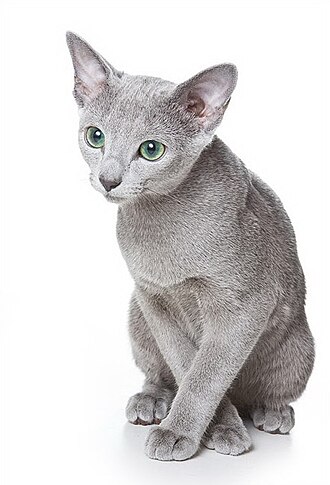
The Enchanting Elegance of the Russian Blue Cat
With eyes like shimmering emeralds and a coat kissed by silver, the
Russian Blue Cat stands as a testament to natural beauty and refined grace. This pedigreed feline, known for its distinctive solid blue fur, has captivated admirers for centuries, evolving from a seafaring companion to a celebrated show cat. More than just their striking appearance, Russian Blues possess a unique charm and intelligence that makes them beloved members of families worldwide. This article delves into the fascinating world of the Russian Blue, exploring its origins, defining characteristics, and what makes it such a special companion.
A Glimpse into History: From Archangel to Adornment
The story of the Russian Blue is steeped in intrigue and whispers of ancient ports. This captivating breed is believed to have originated as a naturally occurring landrace, possibly hailing from the northern Russian port city of Arkhangelsk (Archangel). It's this geographical connection that led to their early moniker: the Archangel Cat or Archangel Blue.
Historical accounts suggest that these hardy felines were highly prized by sailors, who are credited with transporting them from the Archangel Isles to Great Britain and other parts of Northern Europe in the 1860s. The first recorded mention of an "Archangel Cat" in British print dates back to 1862, marking their initial introduction to the Western world. Their formal debut in the show ring came a decade later, in 1872, at The Crystal Palace in England. Initially, these elegant cats competed in a broad class alongside other blue-coated felines until 1912, when their distinct qualities earned them their very own class, solidifying their status as a unique breed.
Post-World War II, the breed faced a significant challenge due to dwindling numbers. To preserve the Russian Blue and bolster its population, breeders in the UK and Scandinavia – where much of the breed's early development took place – strategically crossbred them with Siamese cats. While this infusion helped ensure the breed's survival, it introduced some Siamese traits that breeders diligently worked to eliminate over subsequent generations. Across the Atlantic, American breeders played a pivotal role in shaping the modern Russian Blue we recognize today, carefully combining both Scandinavian and British bloodlines to create the distinct U.S. lineage. Today, the genetic legacy of the Siamese has largely been bred out, allowing the pure characteristics of the Russian Blue to shine once more.
The influence of the Russian Blue extends beyond its own lineage. On a limited basis, their robust genetics have been utilized to create entirely new breeds, such as the charming Havana Brown, or to refine existing ones like the Nebelung, which shares many visual similarities with the Russian Blue but features a semi-long coat. In some regions, like Italy, the breed continues to contribute to feline health and diversity; for instance, they are used to make Oriental Shorthairs healthier and more robust, a program known as RUS4OSH within FIFe. This fascinating history underscores the breed's resilience and enduring contribution to the world of pedigreed cats. To learn more about the diverse world of cat breeds, check out
Russian Blue Cat - Article 3.
The Russian Blue's Distinctive Look and Enchanting Temperament
The allure of the
Russian Blue Cat lies not just in its rich history but profoundly in its captivating physical characteristics and a personality that is as refined as its appearance.
Physical Characteristics
The most striking feature of the Russian Blue is undoubtedly its coat. It is a
short-haired breed, renowned for its dense, plush double coat of pale blue-grey fur. What truly sets it apart is the distinct silver sheen, often described as "silver tipping," where the very tips of the guard hairs are unpigmented, creating an iridescent shimmer that makes the coat appear to change color in different lighting. This luxurious double coat is incredibly soft to the touch, providing warmth and protection, and is surprisingly low-shedding compared to many other breeds.
Beyond the iconic blue coat, the Russian Blue is characterized by:
- Eyes: Their large, round to almond-shaped eyes are one of their most enchanting features. Kittens are born with blue eyes, which gradually change to yellow-green, and ultimately mature into vivid, bright emerald green eyes as adults. This stunning contrast against their blue fur is unforgettable.
- Body Type: They typically possess a medium-sized, elegant, and finely boned body that appears muscular and graceful. Their legs are long and slender, complementing their overall aristocratic silhouette.
- Head: The head is a modified wedge shape with a flat top, and their prominent whisker pads give them a distinctive "smile." Their ears are relatively large, set wide apart, and slightly pointed.
Personality and Temperament
While the reference text doesn't explicitly detail their temperament, the Russian Blue is widely celebrated for its gentle, intelligent, and affectionate nature, making them exceptional companions.
- Gentle and Reserved: They are typically calm and quiet cats, known for their soft voices. While they can be reserved with strangers, they form deep bonds with their human family.
- Loyal and Affectionate: Russian Blues are incredibly devoted to their owners, often following them from room to room and seeking out opportunities for cuddles and lap time. They thrive on routine and companionship.
- Intelligent and Playful: These cats are highly intelligent and enjoy interactive play. They can be taught tricks and love puzzle toys that challenge their minds. Their playful side often emerges during evening "zoomies" or chasing a favorite feather wand.
- Good with Families: Generally, Russian Blues are patient and tolerant, making them good pets for families with older, respectful children. They can also coexist peacefully with other pets, especially if introduced properly.
- Observant: They are keen observers of their surroundings and often seem to understand human emotions, offering comfort when needed.
Their sophisticated appearance is perfectly matched by a personality that is both dignified and endearing, ensuring they win the hearts of all who meet them.
Caring for Your Silver Sentinel: Tips for Russian Blue Owners
Bringing a
Russian Blue Cat into your home is a joy, and with a few simple care routines, you can ensure your feline companion leads a healthy and happy life. Their natural robustness and self-sufficient nature make them relatively low-maintenance, but consistent care is key.
Grooming
Despite their dense double coat, Russian Blues are surprisingly easy to groom. Their short fur doesn't tangle easily, and they are meticulous self-groomers.
- Brushing: A weekly brushing session with a rubber curry comb or a soft bristled brush is usually sufficient to remove loose hairs, reduce shedding, and keep their coat healthy and shiny. During seasonal shedding periods (spring and fall), you might increase brushing to twice a week.
- Nail Trimming: Regular nail trims, typically every 2-4 weeks, are essential to prevent overgrowth and maintain paw health.
- Dental Care: Feline dental hygiene is crucial. Brushing your cat's teeth a few times a week with veterinary-approved toothpaste can prevent plaque buildup and gum disease.
- Ear and Eye Cleaning: Periodically check their ears for any dirt or wax buildup and gently clean with a vet-recommended solution if necessary. Their eyes should be clear and bright, free of excessive discharge.
Nutrition and Diet
A high-quality, balanced diet is fundamental for your Russian Blue's overall health and vitality.
- Premium Cat Food: Choose a reputable brand of cat food (wet or dry, or a combination) that lists real meat as the primary ingredient. Avoid foods with excessive fillers or artificial additives.
- Portion Control: Follow feeding guidelines based on your cat's age, weight, and activity level to prevent overfeeding and obesity, which can lead to various health issues.
- Fresh Water: Always provide access to fresh, clean water. A water fountain can encourage increased water intake, which is beneficial for urinary tract health.
Exercise and Mental Stimulation
The intelligent and playful nature of the Russian Blue means they benefit greatly from regular exercise and mental engagement.
- Playtime: Dedicate at least 15-30 minutes daily to interactive play with toys like feather wands, laser pointers, or crinkle balls. This satisfies their hunting instincts and keeps them physically active.
- Puzzle Toys: Incorporate puzzle feeders or treat-dispensing toys to challenge their intellect and prevent boredom.
- Vertical Space: Provide cat trees, shelves, or window perches where they can climb, observe, and feel secure. This caters to their natural desire for height.
Health Considerations
Russian Blues are generally a robust and healthy breed with a lifespan of 15-20 years or more. However, like all cats, they can be susceptible to common feline ailments.
- Veterinary Check-ups: Regular annual veterinary check-ups are vital for preventive care, vaccinations, and early detection of any potential health issues.
- Common Feline Conditions: Be aware of general feline health concerns such as dental disease, obesity, or kidney issues, and discuss any changes in behavior or appetite with your vet.
Understanding these care needs will help you forge a lasting and joyful relationship with your beautiful Russian Blue. For more detailed insights into feline health and well-being, explore
Russian Blue Cat - Article 2.
The Russian Blue's Legacy and Enduring Appeal
The
Russian Blue Cat is more than just a beautiful animal; it's a living piece of history, a testament to natural selection, and a symbol of feline elegance. From its humble beginnings as a "Archangel Cat" voyaging across seas to its current status as a highly sought-after pedigreed breed, its journey is remarkable. Its distinct solid blue coat, shimmering with silver, and those captivating emerald green eyes are instantly recognizable and universally admired.
Beyond their aesthetic appeal, their gentle, intelligent, and affectionate temperament has solidified their place in the hearts of countless cat lovers. They offer not just beauty but deep companionship, a quiet presence, and moments of playful joy. Their influence on other breeds highlights their genetic strength and desirable traits. As we look to the future, the Russian Blue continues to thrive, cherished for its unique blend of mystique, grace, and loyalty. For anyone seeking a devoted and strikingly beautiful feline companion, the Russian Blue remains an outstanding choice, a silver sentinel bringing quiet dignity and endless affection to any home.